
From Croft to Cask: The People Behind Scotland's Heritage Craft
Behind every oak cask resting in a Highland warehouse is a human story — of families who have given their working lives to a craft older than the country they call home.
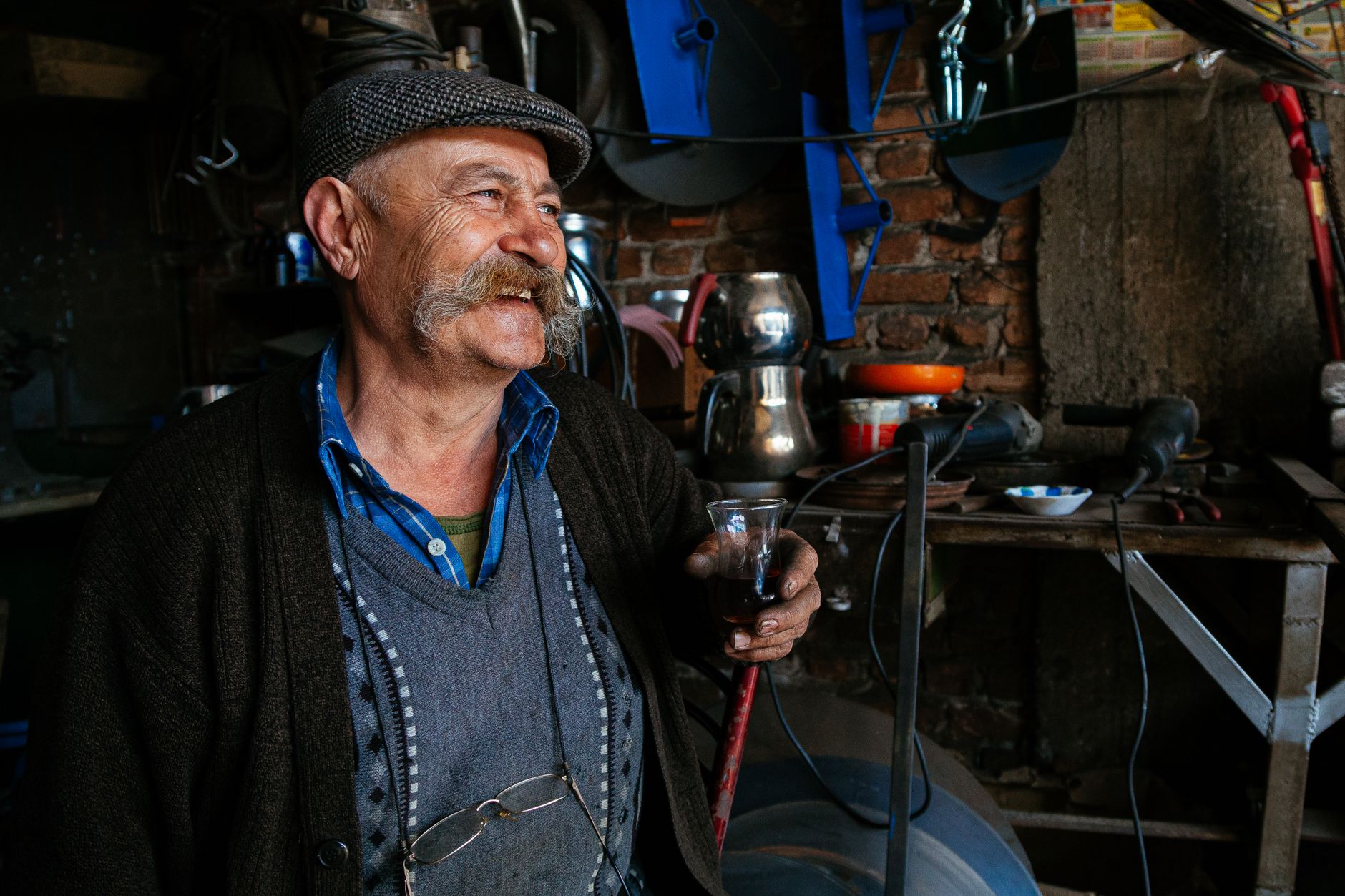
Long before the first stone of a bonded warehouse was laid, before the first oak stave was shaped by a cooper's adze, there were people. Families on the hillsides. Communities in the glens. Crofters whose hands knew the land intimately — its rhythms, its demands, its rare moments of generosity. Scotland's heritage craft did not emerge from capital or from strategy. It grew, slowly and organically, from the lives of ordinary people doing extraordinary work.
To understand these aged assets fully — to appreciate what rests inside those oak casks in their cool, dark warehouses — is to understand something of the human lives that shaped them. This is a craft tradition measured not in months or years but in generations.
The Croft and the Craft
The word "croft" refers to a small landholding, typically in the Scottish Highlands or Islands, farmed by a family who also engaged in other activities — fishing, weaving, peat-cutting — to sustain themselves through Scotland's demanding winters. Life on a croft was life lived close to the rhythms of the natural world: planting and harvest, storm and calm, the slow movement of seasons that determined everything.
It was from this world that Scotland's heritage craft traditions grew. The skills required — patience, precision, an intuitive understanding of how natural processes unfold over time — were the same skills demanded by crofting life itself. Communities that understood how to work with nature rather than against it, that had learned through necessity to think in long cycles rather than short ones, were well suited to a craft that asks more of its practitioners in terms of time and attention than almost any other.
The transition from croft to craft was not a clean break but a gradual integration. Families became associated with particular skills — the cooper who shaped casks for the local warehouse, the craftsman who understood the art of the still, the warehouseman whose knowledge of optimal storage conditions was passed from father to son as carefully as any family heirloom. Over generations, these skills concentrated, deepened, and became the foundation of what we now recognise as Scottish heritage craft tradition.
Multi-Generational Mastery
There is a particular kind of knowledge that cannot be learned from books. It lives in the hands, in the eye, in the accumulated judgment of someone who has spent thousands of hours doing one thing with great care. The craftspeople who work in Scotland's heritage industry — the coopers, the master distillers, the warehouse managers, the coppersmiths who maintain the ancient stills — possess this kind of knowledge in abundance.
A master cooper who has spent forty years shaping and repairing oak casks knows the wood in a way that no training manual can fully convey. They know which staves will hold and which will not — not from measurement alone but from the feel of the grain beneath their hands, the sound of the mallet on the hoop, the way a cask sits when its components are correctly tensioned. This knowledge was given to them by a master who came before, and they will, in turn, give it to an apprentice who comes after.
This transmission of knowledge across generations is one of the defining features of Scotland's heritage craft. At the Speyside Cooperage, apprentices train for four years before being trusted to work independently, absorbing techniques and judgments that go back centuries. In the distilleries of the Highlands and islands, master craftspeople will often speak of a grandfather or great-uncle who pursued the same work — who walked the same warehouse floors, who made the same assessments of the same kind of cask, who felt the same satisfaction in a job done well and patiently.
The Pride of Craft
Ask anyone who has spent their working life in Scotland's heritage craft tradition what they are most proud of, and the answers are remarkably consistent. Not the recognition, not the commercial success, but the work itself — the quality of what they make, the integrity of how they make it, the knowledge that what comes out at the end reflects everything they put in.
There is a pride in craft that is specific to work done by hand, at the pace the work demands, without shortcuts. A cooper who has shaped a cask that will hold its contents for thirty years without leaking knows what that achievement represents — the precision of each stave, the integrity of each joint, the correctness of the charring. A warehouseman who has managed the rotation and assessment of thousands of casks over a career carries within them a library of sensory knowledge — of sight, smell, weight, and sound — that makes their judgment irreplaceable.
This pride is not arrogance. It is the quiet confidence of people who know their work is good, who have tested it against time, and who understand that the quality of what they produce will outlast them. Heritage assets that are maturing in warehouses today were helped into existence by craftspeople who may no longer be alive — whose names may be unknown to the collectors who eventually encounter what they made. Yet their skill persists in the cask, in its integrity, in the character of what the oak has slowly given to the maturing asset within.
Community and Continuity
Scotland's heritage craft is not an industry of lone geniuses. It is a community enterprise, sustained by networks of interdependent skills and relationships that stretch across villages and valleys. The farmer who grows the barley. The craftsman who cuts and seasons the peat. The cooper who shapes the cask. The warehouse manager who oversees its resting place. The master craftsperson who, after years of patient observation, decides that a cask is ready. Each of these roles is essential, and each is filled by someone who has, in most cases, dedicated a significant portion of their life to mastering it.
The small towns of Speyside — Dufftown, Aberlour, Rothes, Keith — are defined by this craft community. The warehouses there outnumber the houses. The families that have worked in the industry for generations are known to one another across decades of shared history. There is a social fabric here that is inseparable from the craft itself — a web of relationships, of shared knowledge, of mutual respect between people who understand what the work demands and what it produces.
The Human Element in Every Cask
When a serious collector acquires a heritage asset from a Scottish warehouse — a cask laid down in a particular year, in a particular location, by craftspeople with a particular tradition — what they are acquiring is not merely a physical object. They are acquiring a piece of a human story: the skill of a cooper, the judgment of a master, the patience of a warehouseman who has tended the cask through seasons and years without ever losing sight of what it might eventually become.
The aged heritage assets of Scotland are, in this deepest sense, human achievements — the product of generations of accumulated knowledge, of communities that have maintained extraordinary skills over centuries, of families whose dedication to their craft has been absolute and who have asked nothing of those who will eventually encounter their work except that it be understood and appreciated for what it truly is.
From croft to cask: the journey is long, the people are exceptional, and the result — if you know what you are looking at — is one of the most remarkable intersections of human skill and natural process in the world.